

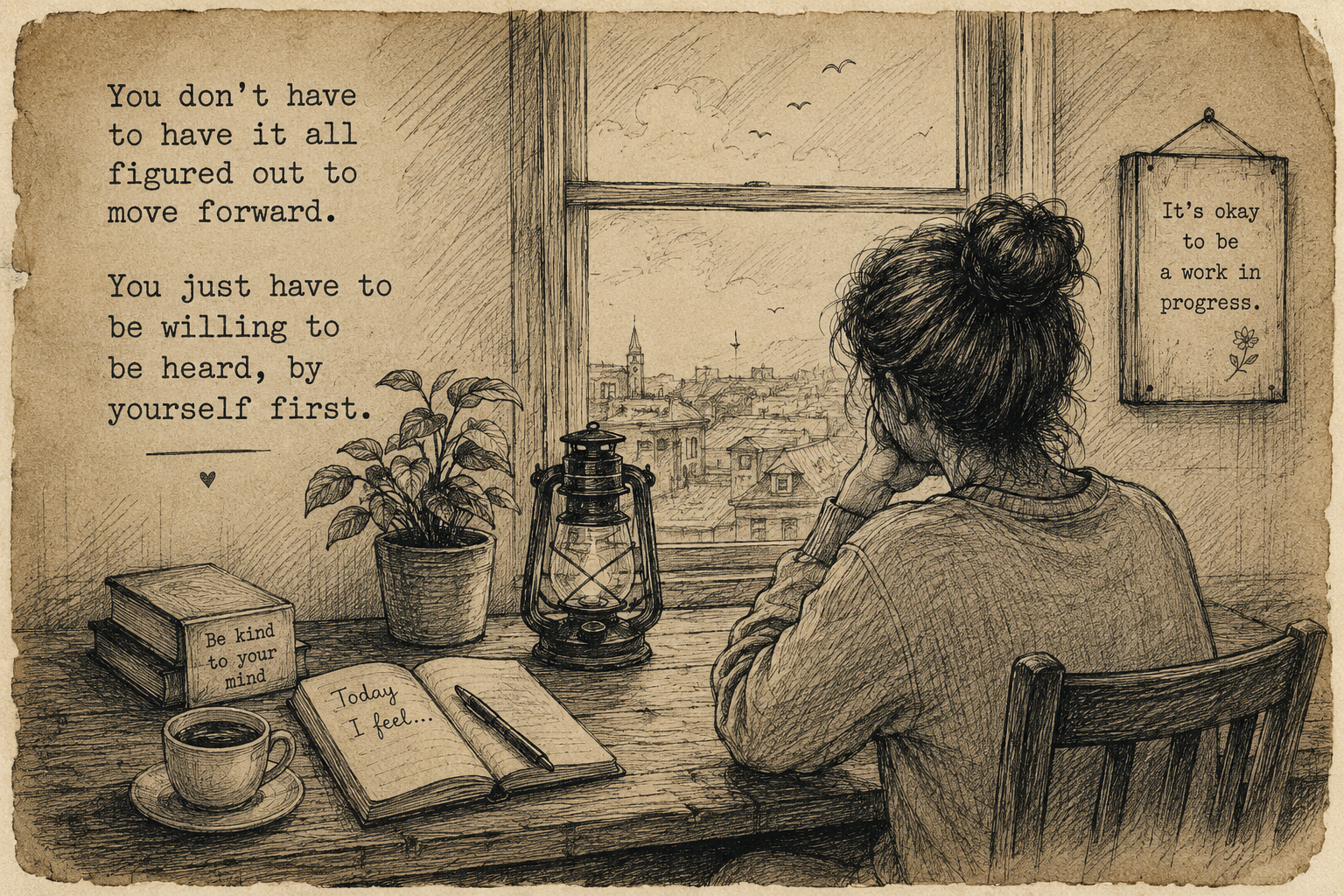
The Echo Chamber of One: How to Cope with Solitude and Find Your Tribe When You Live Alone
There is a particular kind of silence that comes with living alone. It’s not just the absence of noise; it’s the absence of a witness.
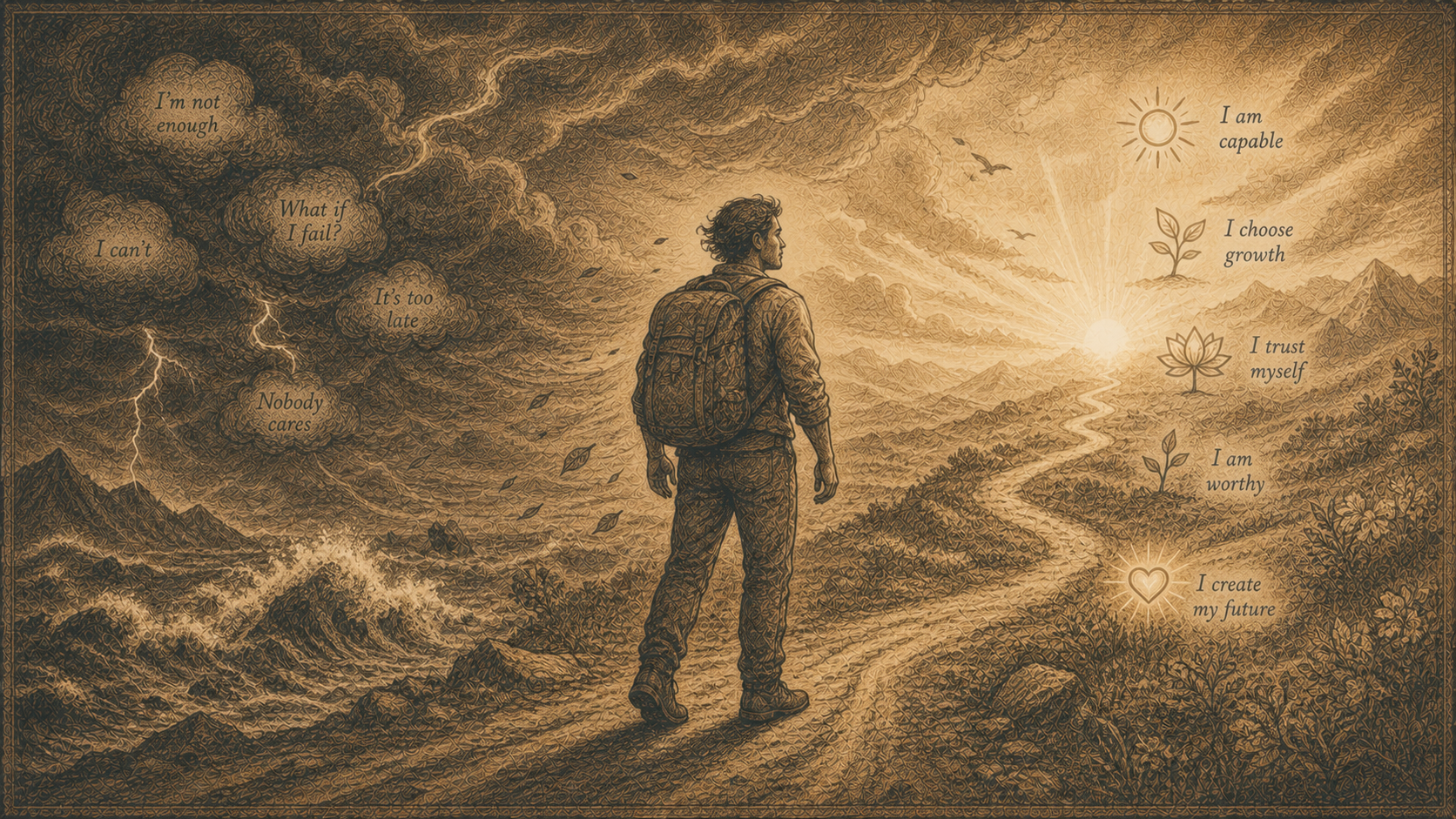
Building Emotional Resilience in an Uncertain World
Uncertainty has become a normal part of life. People are navigating economic pressure, rapid change, global instability, relationship stress, and a future that often feels unclear. In times like these, emotional resilience becomes one of the most valuable inner strengths you can develop.
Healing Self-Doubt in a Judgment-Heavy Social Media Culture
Social media has made it easier than ever to connect, but it has also made comparison constant. People post highlights, achievements, perfect photos, and polished versions of their lives. When you see that every day, it is easy to start doubting yourself.
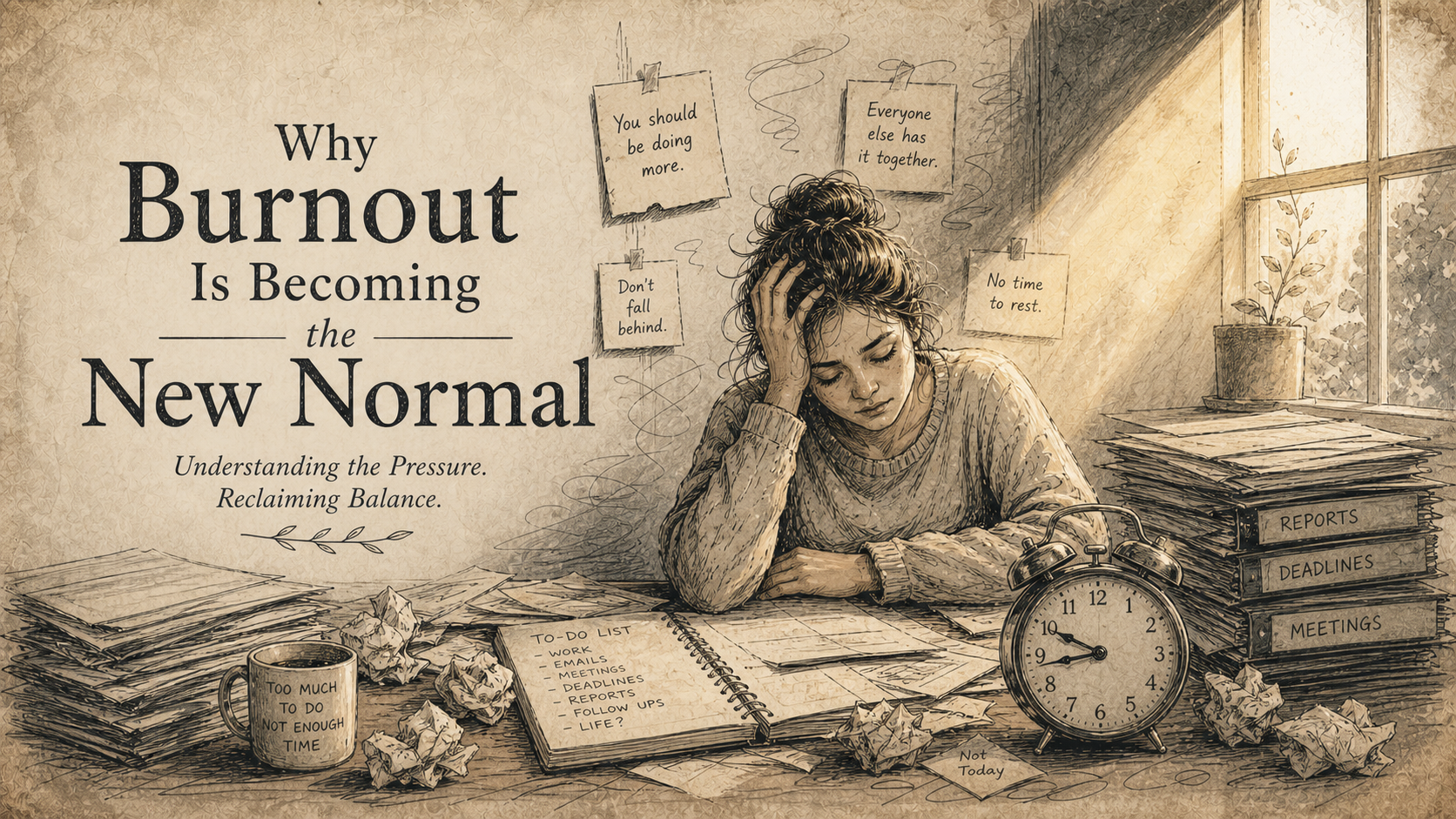
Why Burnout Is Becoming the New Normal
Burnout has become one of the most talked-about struggles of modern life. More people are feeling emotionally drained, mentally exhausted, and physically worn out. What makes burnout so difficult is that it often builds slowly, until one day you realize you have very little energy left.
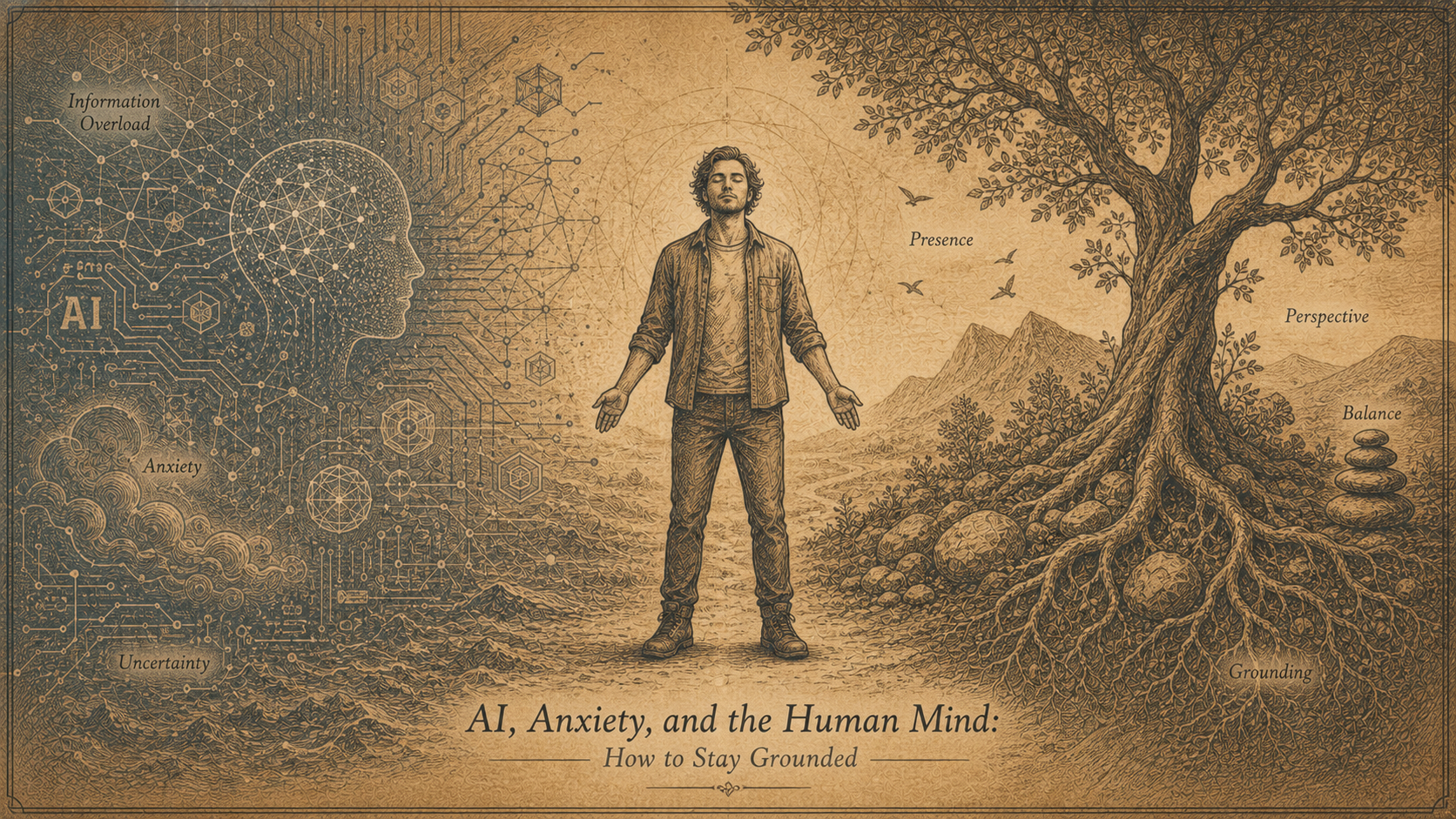
AI, Anxiety, and the Human Mind: How to Stay Grounded
Artificial intelligence is changing how we work, communicate, and make decisions. For some people, this brings excitement. For others, it brings fear, uncertainty, and even anxiety. The speed of technological change can make it hard to feel emotionally steady.
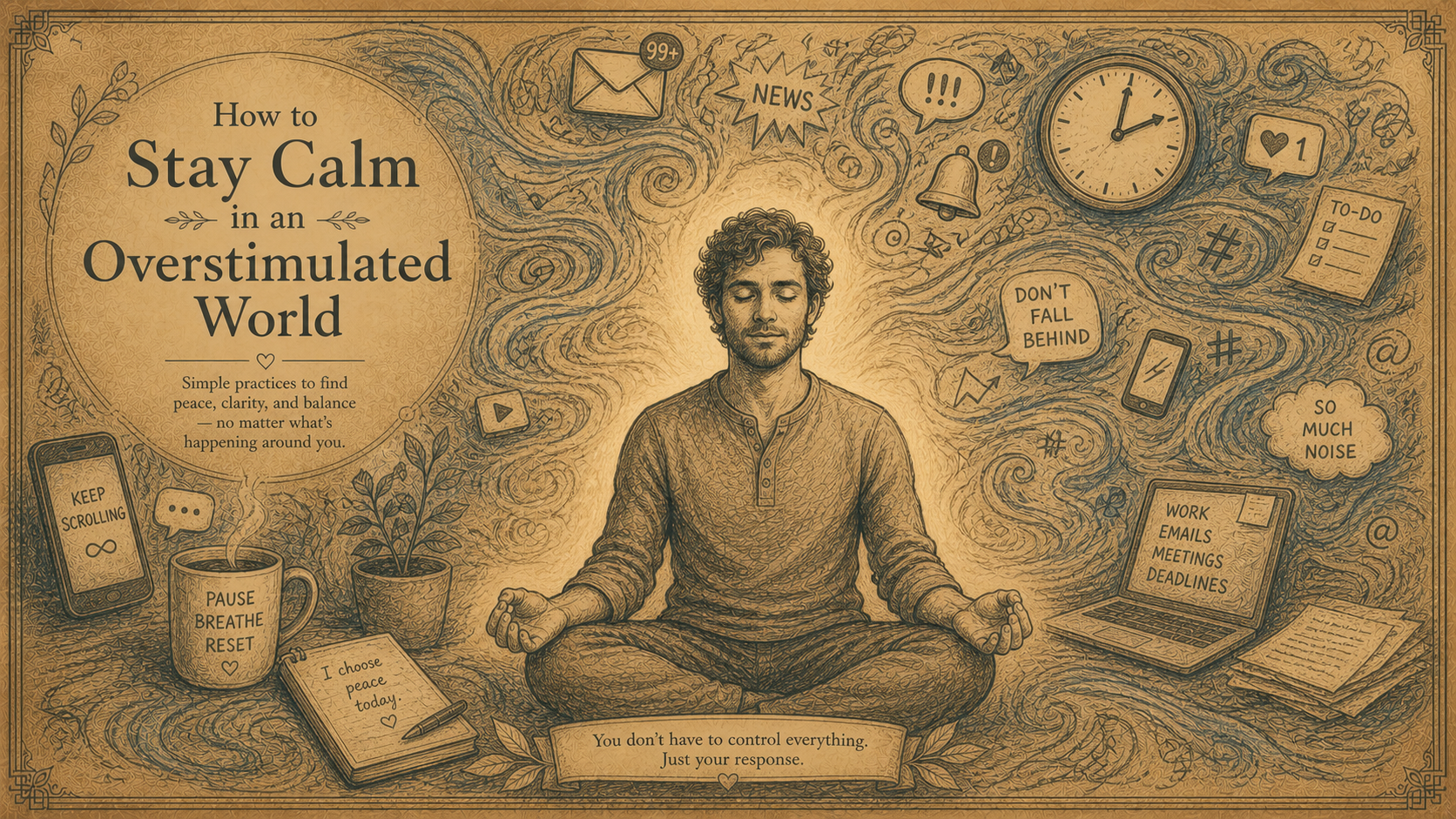
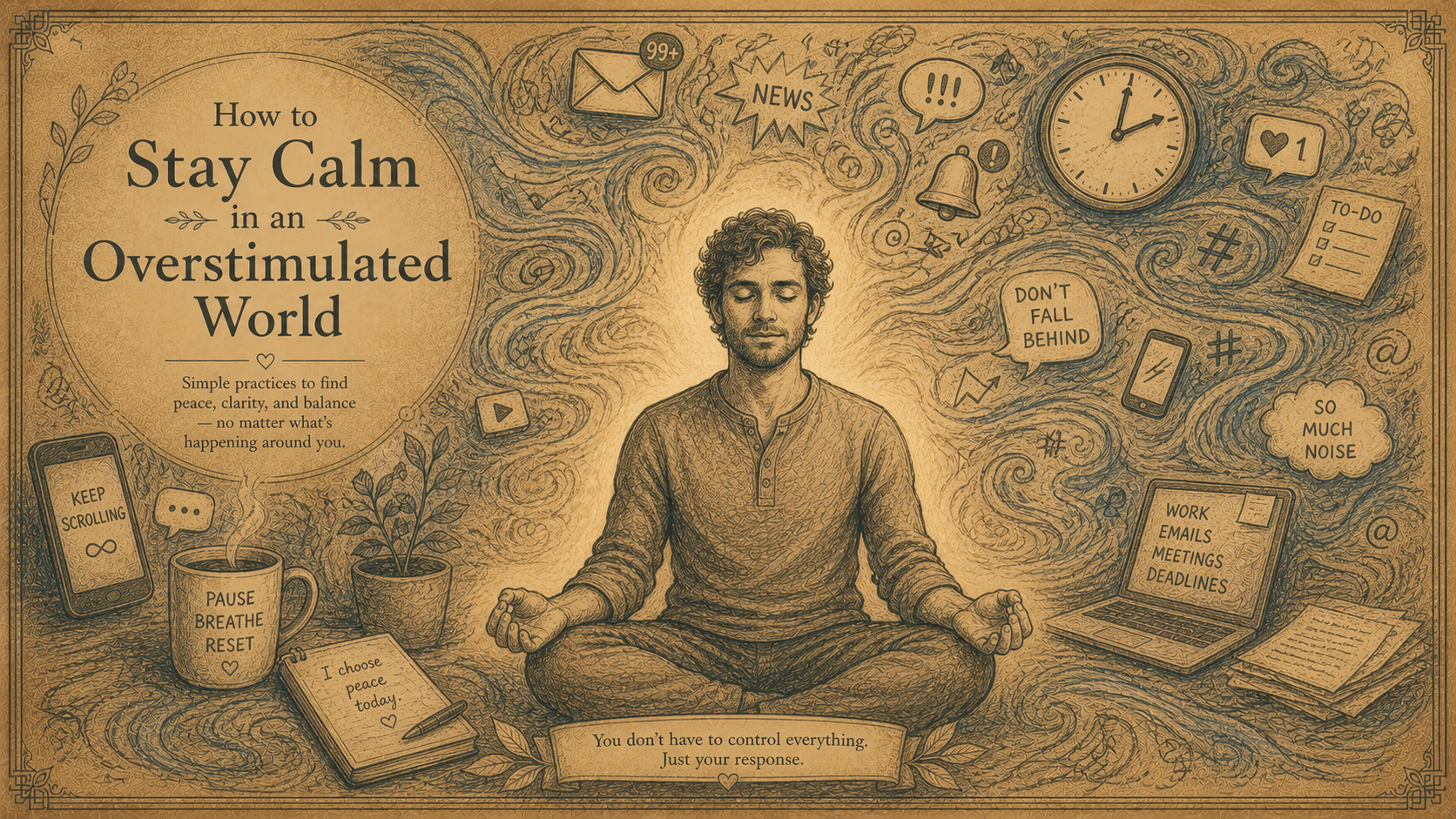
How to Stay Calm in an Overstimulated World
In today’s world, it can feel like your mind never gets a break. Notifications, news updates, social media, messages, emails, and constant background noise all compete for your attention. Many people are not just busy — they are mentally overloaded.
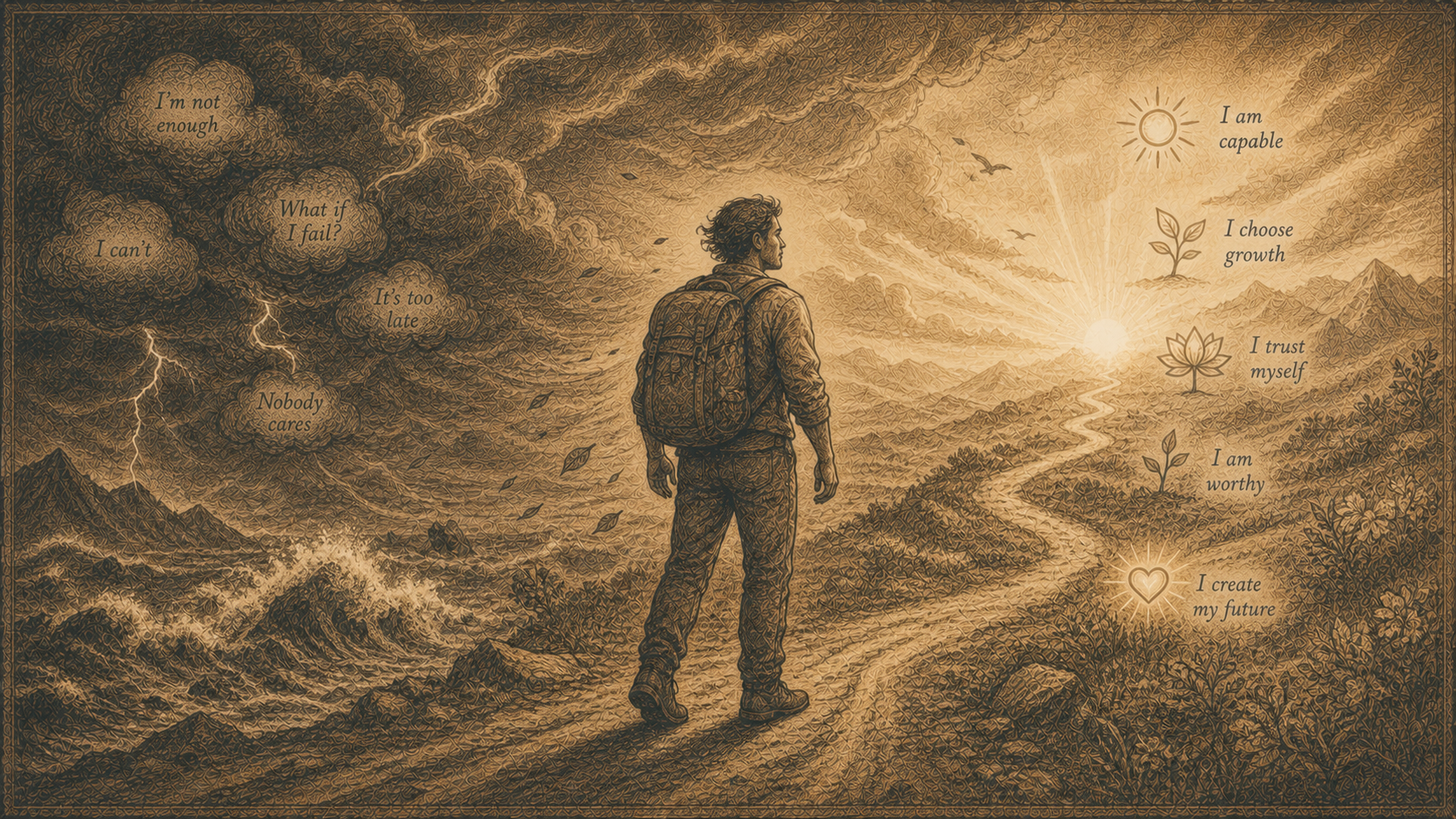
Can Hypnotherapy Help with Confidence and Self-Love?
If you’ve ever felt like you’re not good enough, second-guessed yourself in social situations, or constantly worried about what others think, you’re not alone. Confidence and self-love aren’t traits you’re simply born with—they’re patterns shaped by your experiences, beliefs, and inner dialogue. And this is where hypnotherapy can play a powerful role.
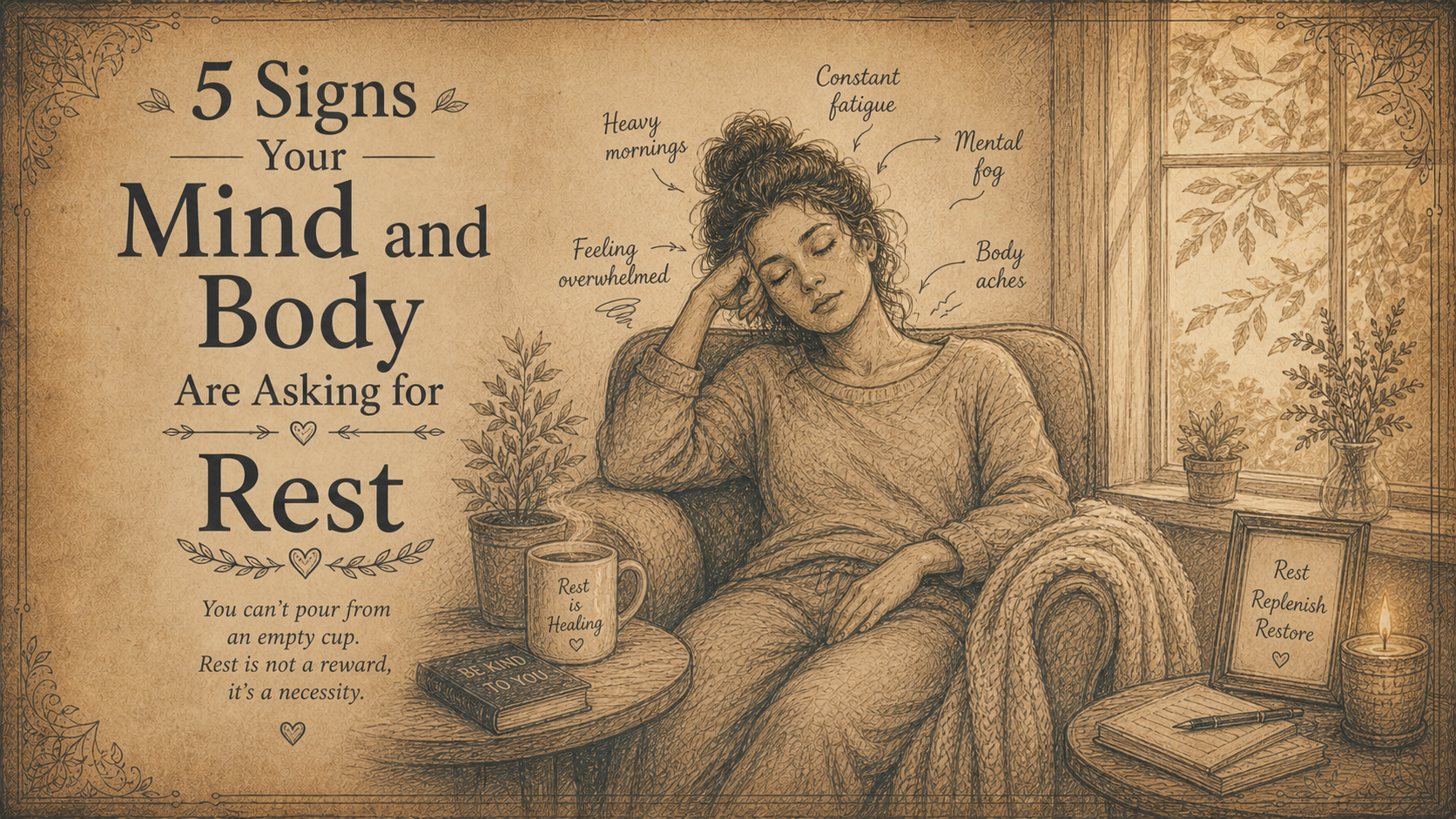
5 Signs Your Mind and Body Are Asking for Rest
In today’s fast-moving world, rest is often mistaken for laziness. Many people keep pushing through stress, ignoring the subtle signals their mind and body are constantly sending.
But the human system is intelligent. When it is overwhelmed, it begins to communicate—quietly at first, then more strongly.
What we call “stress” is often just a deeper need for pause, recovery, and emotional reset.
Here are 5 clear signs your mind and body may be asking for rest.
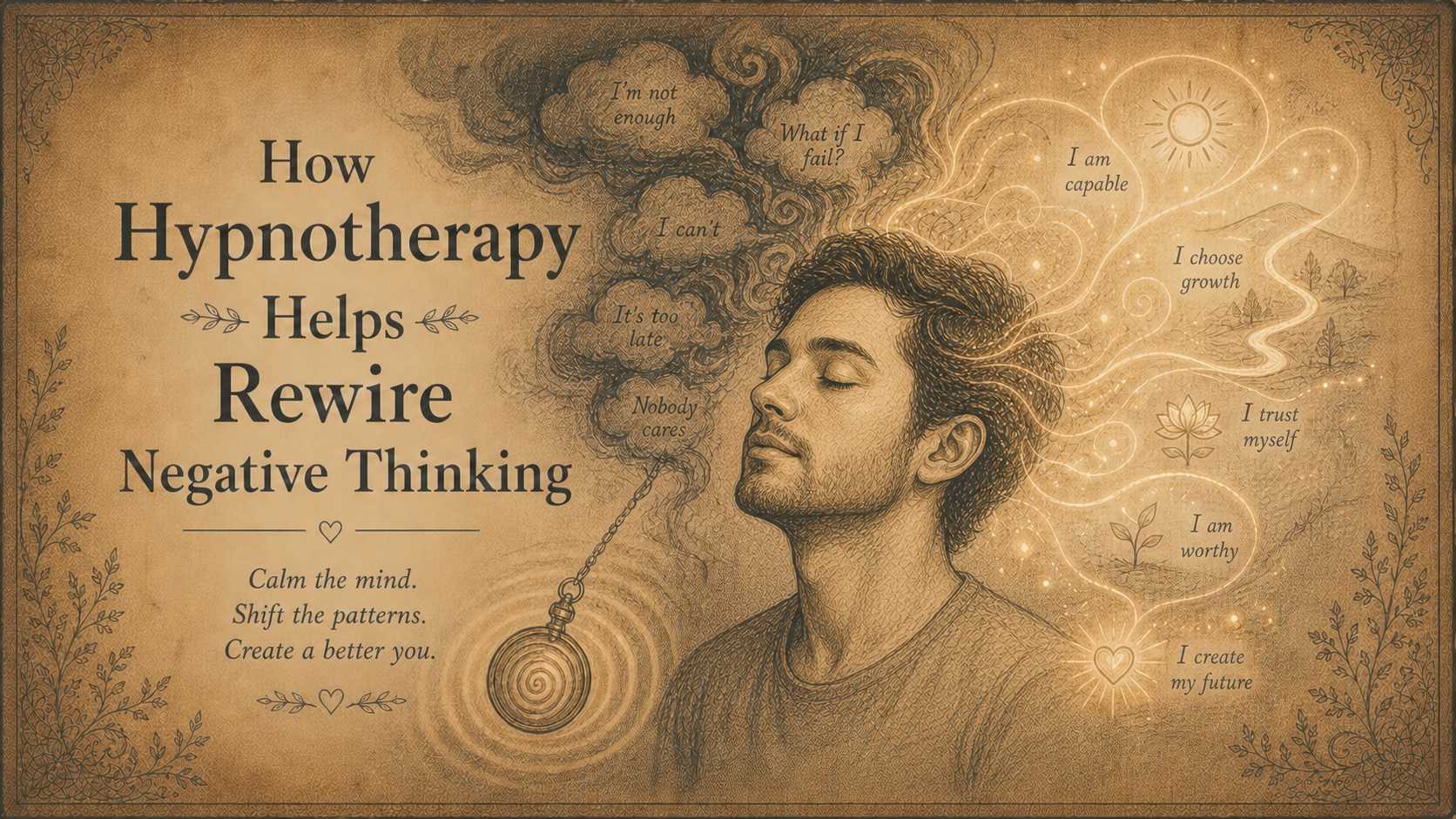
How Hypnotherapy Helps Rewire Negative Thinking
Negative thinking is something almost everyone experiences. But for some people, it becomes a pattern—automatic, repetitive, and difficult to break. Even when life improves externally, the inner dialogue often stays stuck in self-doubt, fear, or overthinking.
Hypnotherapy works directly with the part of the mind where these patterns are formed: the subconscious.
To understand how healing happens, we first need to understand how the mind actually stores beliefs
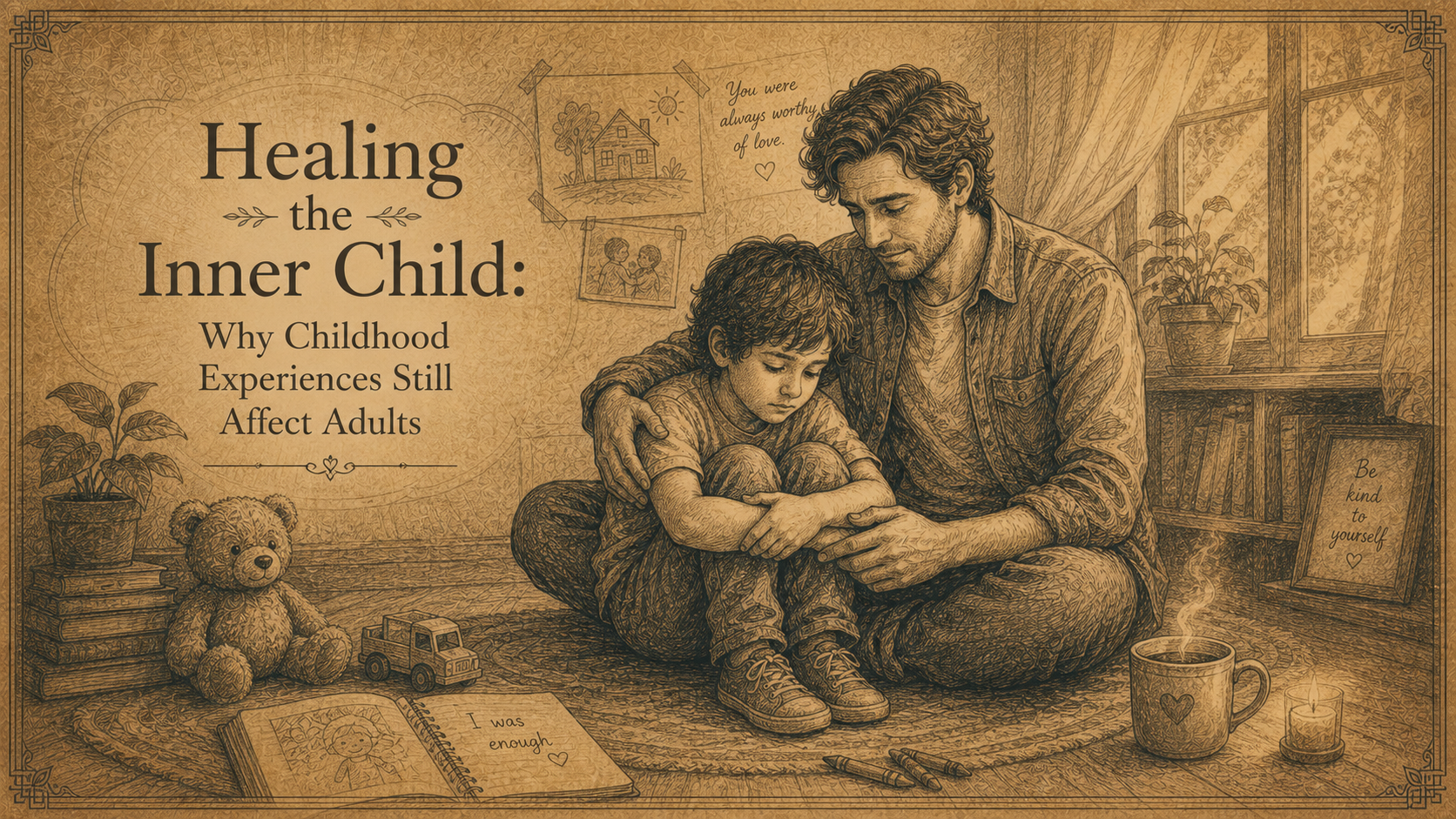
Healing the Inner Child: Why Childhood Experiences Still Affect Adults
Many adults find themselves repeating emotional patterns they cannot fully explain.
They may struggle with relationships, self-worth, anxiety, or fear of failure—even when life looks “fine” on the outside. Often, the root of these patterns is not in the present moment, but in the emotional experiences of childhood.
This is where the concept of the inner child becomes important.
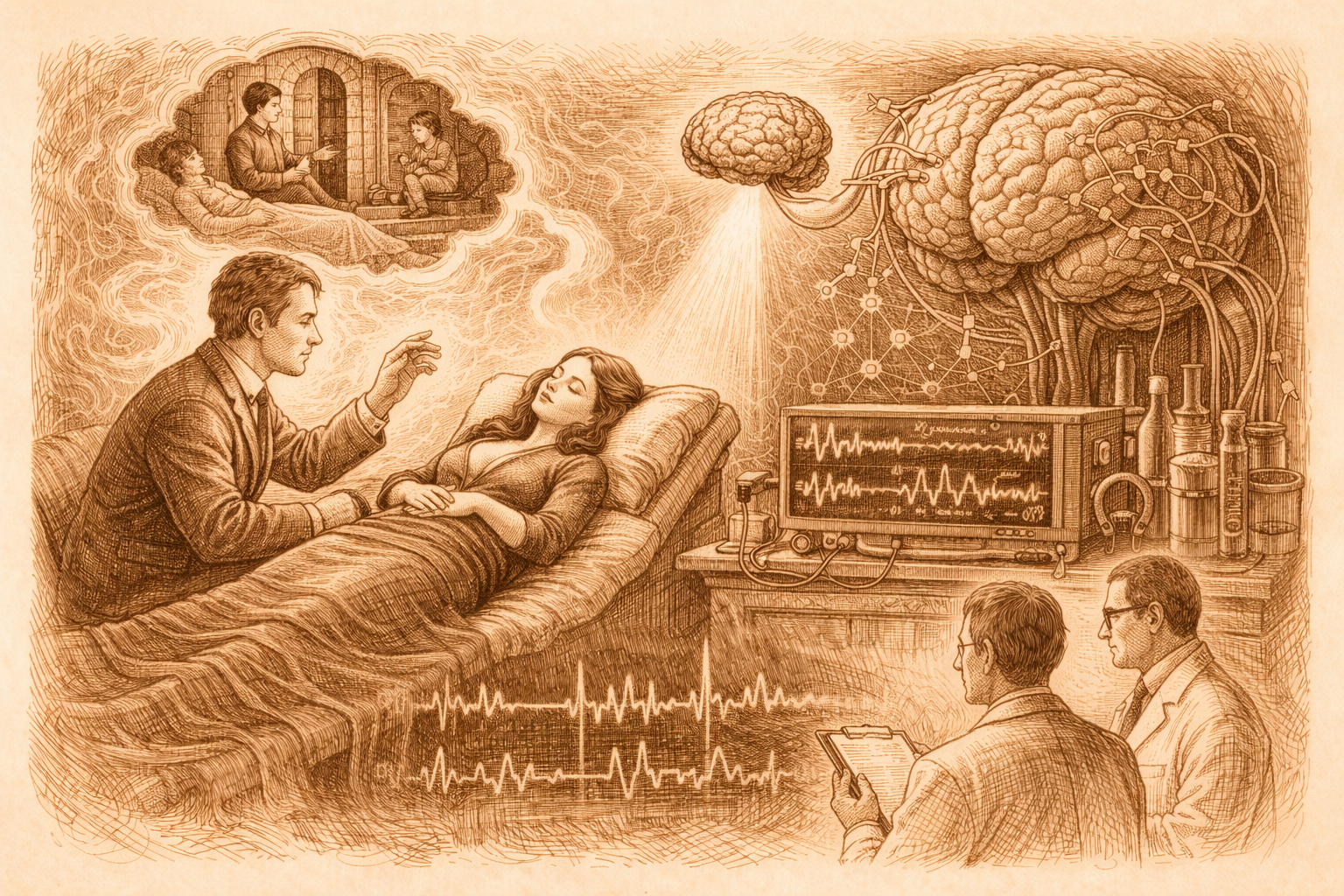
The Science Behind Hypnosis: What Really Happens During a Session?
Hypnosis has long fascinated people—and often confused them. For some, it feels mysterious or even a little unreal. For others, it raises skepticism: Is it real? Am I asleep? Am I in control?
The truth is far more grounded in science and psychology than most people imagine. Hypnosis is not mind control, not sleep, and not performance magic. It is a natural, focused state of awareness that we all enter in different forms every day.
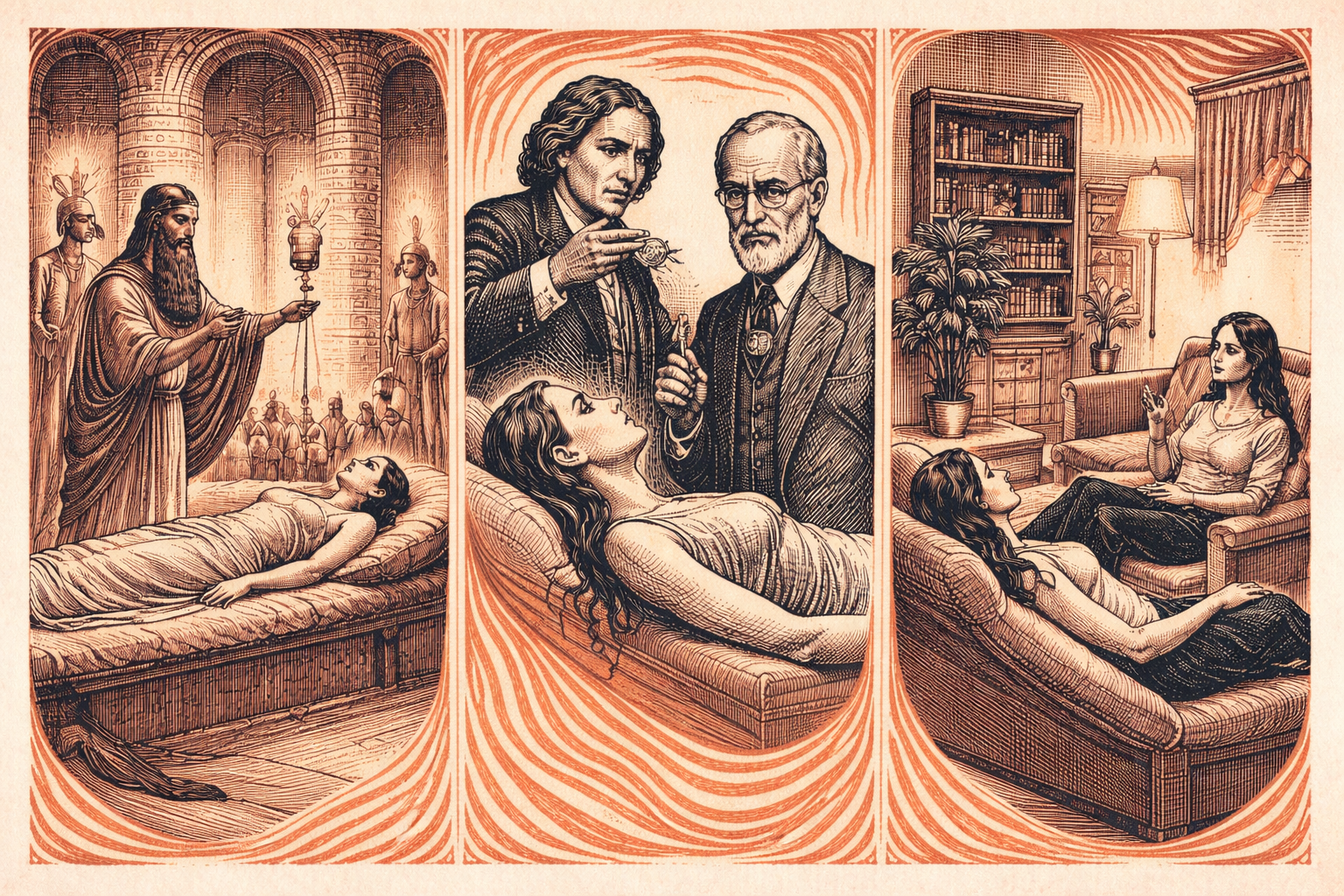
From Temple Trances to Therapy Rooms: The Great Minds Behind Hypnotherapy
Hypnotherapy didn’t start in a clinic; it started in temples, healing rituals, and ancient spiritual practices, long before anyone called it “hypnosis.” Over time, curious doctors and bold thinkers turned those mysterious “trance” states into a practical therapeutic tool we now use in modern psychology and wellness.

Before Freud: The Philosopher Who Discovered the Unconscious
When we think of the unconscious mind, one name immediately comes to mind:
Sigmund Freud.
But what if the foundations of psychoanalysis were laid decades earlier — not by a psychologist, but by a philosopher?
That philosopher was Arthur Schopenhauer.
And his ideas were far ahead of his time.

Why We Suffer: What Arthur Schopenhauer Understood About the Human Mind
In a world obsessed with happiness, productivity, and constant achievement, one philosopher dared to say something uncomfortable:
Life is suffering.
That philosopher was Arthur Schopenhauer.
But before you think this is negative or depressing — stay with me. His ideas might actually explain why so many of us feel restless, anxious, or emotionally exhausted.

Thriving Authentically: How to Be Successful When You Feel Alone, Struggling, or Unaccepted
An inclusive guide to self-care, emotional strength, and success — especially for LGBTQ+ individuals navigating loneliness.
There are seasons in life when you feel alone.
Not just physically alone — but emotionally unseen.
You may be:
Struggling with career uncertainty
Feeling rejected by family
Hiding parts of your identity
Questioning your worth
Navigating life as an LGBTQ+ individual in an environment that doesn’t feel safe

Sleepwalking vs. Hypnosis: Why They're Totally Different (And Why Hypnosis Isn't Scary)
Sleepwalking and hypnosis might sound similar, but they're not the same at all—and knowing the difference can make hypnosis feel way less mysterious.
Many folks mix them up because both can look like a "trance." But here's the simple truth: sleepwalking happens when you're mostly asleep, while hypnosis is a relaxed, wide-awake state where you're fully in control.

Guilt: Why We Carry It and How to Finally Put It Down
Guilt is one of the heaviest emotions we carry—often quietly, often alone.
It doesn’t shout. It whispers. It reminds you of what you should have done, what you could have been, or who you believe you disappointed along the way.
And the strange thing is, many of us feel guilty even when we’ve done nothing wrong.

The Rules of the Mind: How Your Thoughts Shape Your Reality
The mind follows certain natural rules.
When we understand these rules, change stops feeling difficult and starts feeling possible.
Below are some of the most important principles that explain why we think, feel, and behave the way we do.

What the Mind Is Always Trying to Do
Have you ever caught yourself thinking,
“Why is my mind doing this to me?”
Why the overthinking?
Why the fear?
Why the guilt?
It can feel like your mind is working against you — but it isn’t.
Your mind is always trying to help.
It just doesn’t always do it in comfortable ways.

Finding My Voice: Why Speaking Up Matters
There comes a moment in many journeys—personal or professional—when staying silent feels easier, safer, and far more convenient. And then there comes a moment when silence starts to feel heavier than speaking up. My time in a few professional diving environment brought me face to face with that exact crossroads, shaped by a journey that began in 2009 when I first became a Divemaster.